Commitments that outlast the build.
Local content and community benefit obligations across years of delivery - with the environmental record carried alongside.
Social licence and local content reporting for renewable energy projects.
Renewable energy projects are increasingly assessed on social licence as well as cost. Local content, First Nations participation and community benefit commitments made at bid stage, including under the Capacity Investment Scheme, now carry reporting obligations through construction and into operation.
Where Catchment runs.
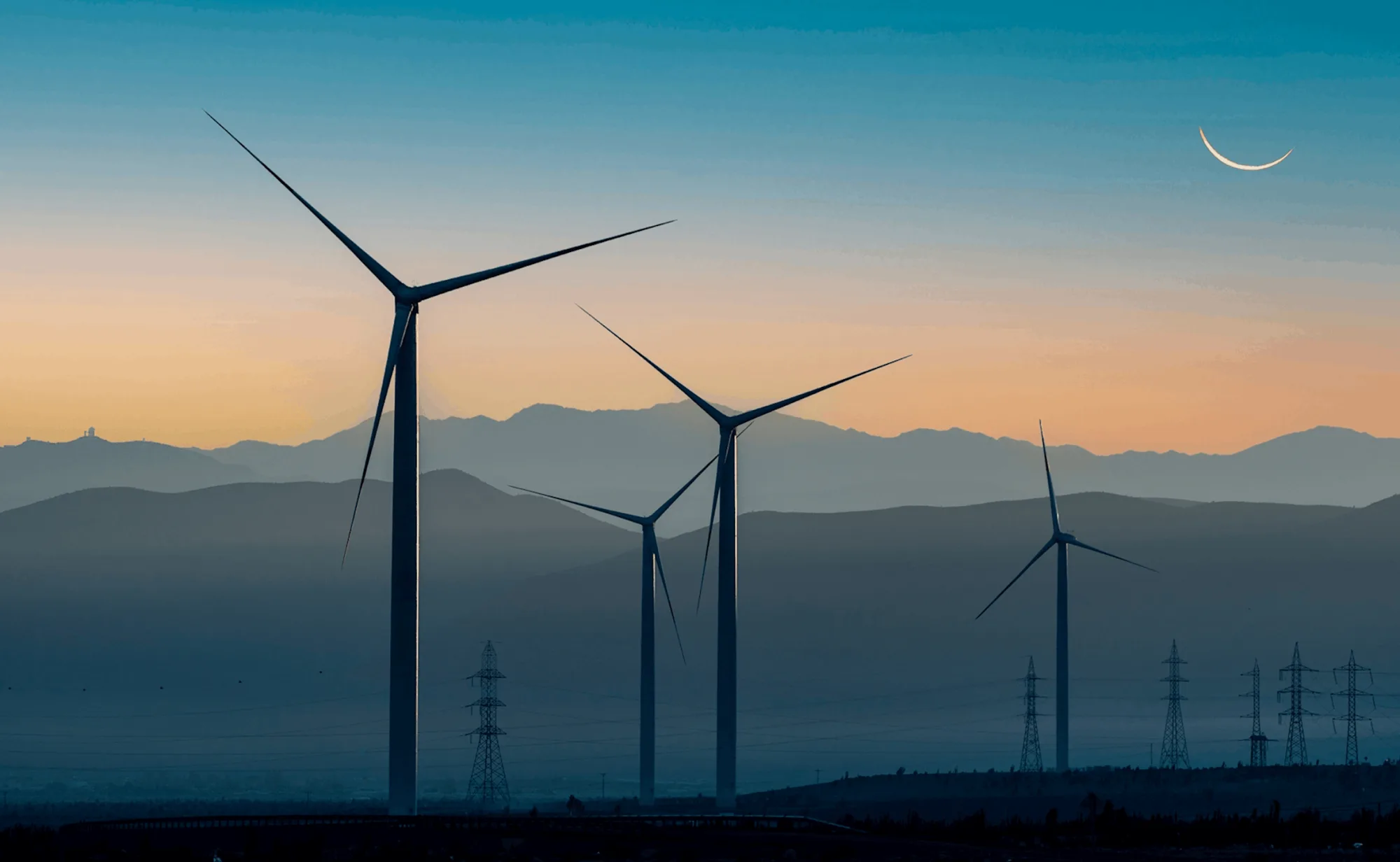
Onshore wind
Regional workforces and community commitments across long builds.
Solar farms
Fast utility-scale programs with local content tracked to origin.
Battery storage
A new asset class with new obligations - profiled once, reported monthly.
Transmission
Linear projects crossing communities, councils and landholders.
Hybrid projects
Wind, solar and storage reporting into one defensible record.
Green hydrogen
First-of-kind projects where credibility decides social licence.
“Catchment is always the first platform we reach for. The time saved on reporting frees up space for initiatives that actually drive social impact.”
The obligations you report against.
Wind, solar, storage and transmission projects carry local content requirements and community benefit obligations that outlast the build, increasingly under schemes such as the Capacity Investment Scheme. Financiers and offtakers also ask to see the environmental record as part of their own sustainability reporting in Australia. Catchment reports both from one place, for as long as the obligation runs.
Common questions.
Can community benefit be reported?
Yes, alongside local content and workforce targets.
Is environmental data included?
Yes. EnviroTrack carries the environmental record alongside.
Is local content traced to origin?
Yes, at line level. See Local content.
Built for your sector’s obligations.
Bring a live project and the policy it reports against.
Book a Demo →